


2026
Maternal and neonatal outcomes of vitamin D supplementation in hypovitaminosis D pregnancy: preg-D randomized trial
Chakhtoura M, Nassar AH, Ajjour S, Rahme M, Assaad M, et al.
The Journal of Clinical Endocrinology & Metabolism
The Shepherd Research Lab develops quantitative imaging, body-composition, and AI-assisted methods for earlier cancer detection and better metabolic-risk prediction — grounded in real studies, serving the community.
At SRL, we are a group of research scientists innovating the ways we detect cancer and metabolic risk. Along with how this benefits all areas of health, we are especially proud of the benefits our studies can bring to our local community on Oʻahu.
The lab is led by Dr. John A. Shepherd at the University of Hawaiʻi Cancer Center, with studies spanning breast cancer detection through breast density, metabolic risk prediction through body-composition analysis, and deep learning for AI-assisted diagnosis.
Three linked research threads. Imaging grounds the methods, body analysis bridges the biology, and AI lifts the diagnostics.
Breast cancer detection and risk assessment through quantitative imaging and breast density analysis.
3D body scans and body-composition analysis to predict metabolic health status and chronic disease risk.
Deep learning for AI-assisted diagnosis, tissue classification, and novel biomarker discovery.
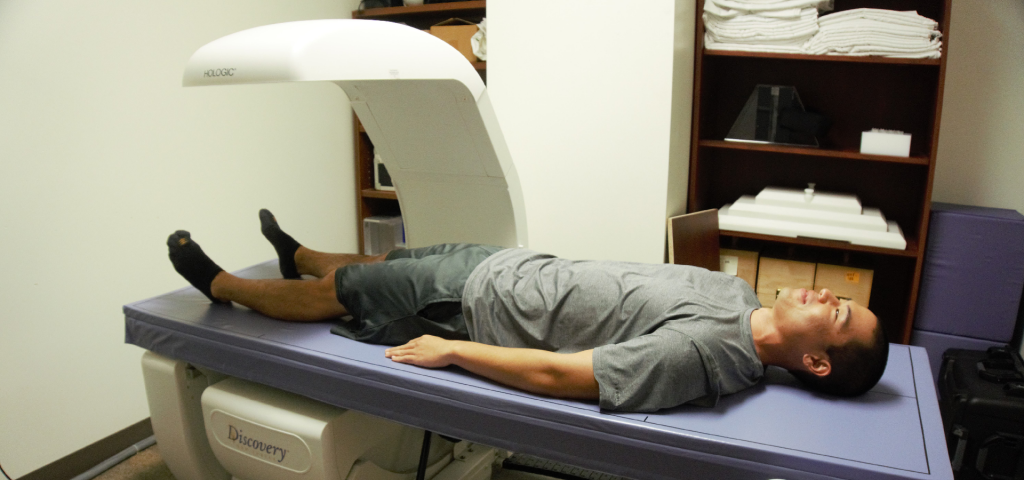
The lab operates the Body Composition Lab (BCEPEM) — a core facility at the UH Cancer Center offering DXA, Bod Pod, 3D optical scans, BIA, and muscle dynamometry to researchers and the community.
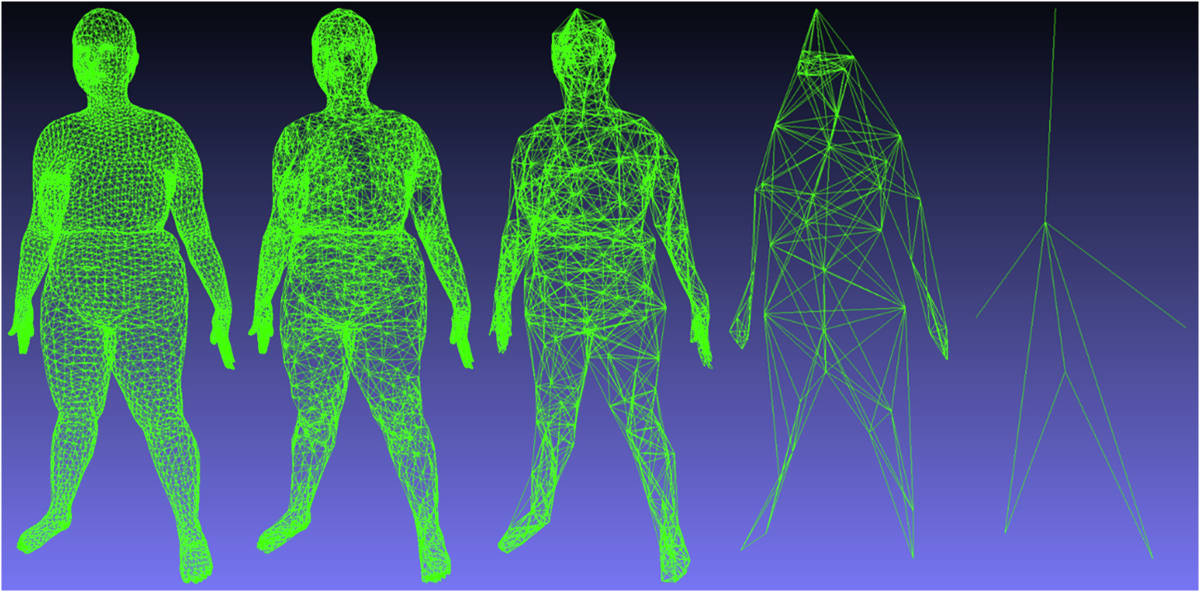
Tian IY, Liu J, Wong MC, Kelly NN, Liu YE, Garber AK, et al. 3D convolutional deep learning for nonlinear estimation of body composition from whole body morphology. npj Digital Medicine. 2025;8(1):79.
A 3D autoencoder trained on 40,000 body-shape meshes — then fine-tuned on 4,286 individuals — predicts ten body-composition outcomes from optical scans alone. The deep-learning model beats every prior 3D-optical body-comp method on the Shape Up! Adults benchmark, narrowing the gap to DXA without the radiation.