
Astro3DO
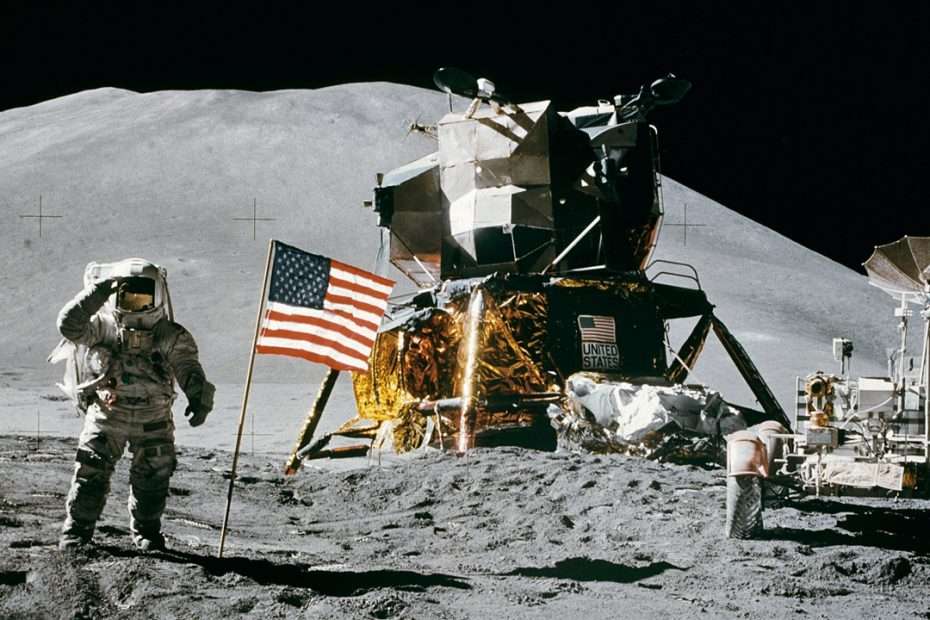
Space-Feasible Body Composition and Body Shape Analysis for Long-Duration Missions
Long-duration space missions present significant physiological challenges — particularly musculoskeletal degradation. Microgravity environments can cause “loss of over 30 % of muscle mass in less than 6 months.” Astronauts returning from extended flights exhibit characteristics associated with sarcopenia, cachexia, and potential osteoporosis, increasing fracture risk and fall susceptibility.
The Astro3DO project proposes monitoring frailty risk using 3D optical scans with fluid-redistribution adjustments. While 3DO models accurately estimate bone and body composition, they lack space-acclimation validation. The research evaluates hardware, algorithms, and microgravity analogs — culminating in a space-feasible prototype tested during parabolic flights.
Long-term goal & central hypothesis
Goal. Create a space-feasible device and method to quantify astronaut fragility and fracture risk from falls.
Hypothesis. Current 3DO body-composition models can be adapted to space-feasible hardware and space-acclimation challenges.
Specific aims
- Determine optimal performance and space feasibility of 3D optical cameras using anthropomorphic phantoms
- Explore accuracy and precision of 3DO-derived total-body composition (lean, fat, BMD) and regional measurements via pose-varied, limited-view scanning
- Identify accuracy limitations due to space-acclimation effects using surrogates (poses, inverted gravity, buoyancy, microgravity)
- Construct and test a space-feasible prototype under microgravity during parabolic flights
Research team
- John Shepherd, PhD — Principal Investigator, UH Cancer Center
- Jean Sibonga, PhD — Biomedical Scientist, NASA Johnson Space Center
- Peter Sadowski, PhD — Co-Principal Investigator, UH Mānoa ICS Department
- Aenor Sawyer, MD — Assistant Professor, Orthopedic Surgeon, UC San Francisco
Funding
Translational Research Institute for Space Health (TRISH) — Grant NNX16A069A · 09/01/2019 – 08/31/2020.
Publications & presentations
-
Omori M. Simulating microgravity effects and changes in body shape. Poster, NASA Human Research Program Investigators’ Workshop; 2020 Jan 27; Galveston, TX.
-
Shepherd J, Omori M, Wong M, Bennett J, Sadowski P. Space-feasible body composition and body shape analysis for long-duration missions (Astro3D). Poster, NASA Human Research Program Investigators’ Workshop; 2020; Galveston, TX.