
SMART: Systematic Melanoma Assessment and Risk Triaging
The SMART study aims to “establish a deep-learning computer-vision method to triage lesions appropriate for biopsy while providing a platform for increased vigilance of benign lesions.”
Background
Skin cancer represents the most commonly diagnosed malignancy in the United States, with over 5 million new cases annually. Melanoma has a near-95 % cure rate if detected early. Current dermoscopy assessments achieve only 59 % specificity despite 90 % sensitivity when performed by experts, contributing to $1.6 billion in annual therapeutic costs.
AI deep-learning approaches show promise but have primarily been trained on Caucasian and Asian populations, leaving accuracy uncertain for African Americans, Hispanics, and Native Hawaiian / Pacific Islanders. Total-body skin examination by dermatologists is clinically impractical given that dermatologists must visually assess 2,500+ potential lesions daily.
Study objectives
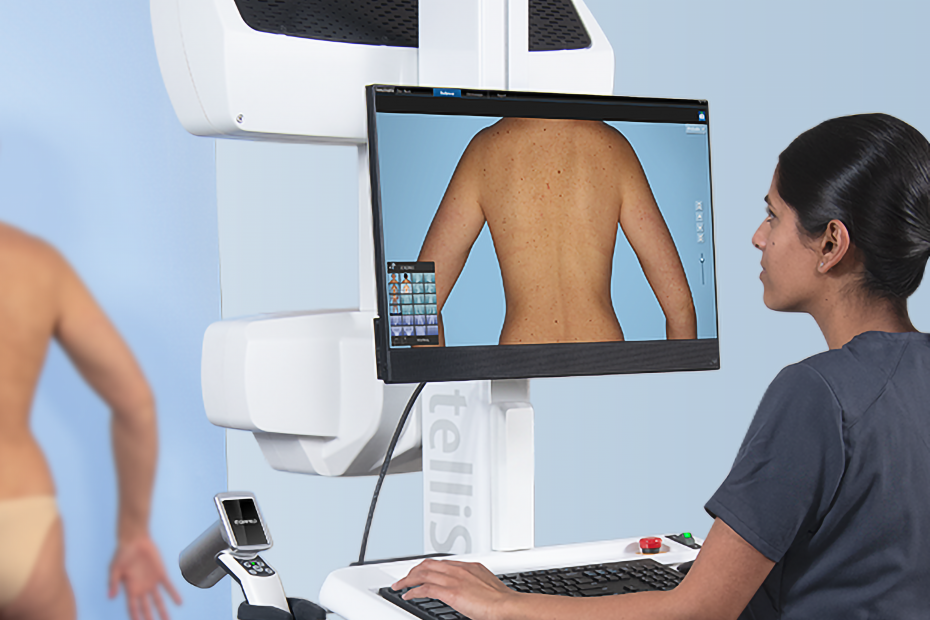
Aim 1. Utilize a two-dimensional total-body sequential examination imaging platform capturing standard and dermoscopic images to identify the most effective AI deep-learning platform for lesion diagnosis.
Aim 2. Assess AI stacking techniques to determine whether combined AI approaches improve diagnostic accuracy when coordinated with awareness of individual training-set demographics.
The long-term goal is reducing “the costs, morbidity, and deaths associated with skin cancers.”
Research team
- Kevin Cassel, DrPH — Principal Investigator
- Christopher Lum, MD — Pathologist
- John Shepherd, PhD — Co-Investigator
- Mark Willingham — Community Health Educator
Funding
Cancer Center Support Grant (P30CA071789) · 11/01/2022 – 11/31/2023
Key publication
Willingham ML Jr, Spencer S, Lum CA, et al. The potential of using artificial intelligence to improve skin cancer diagnoses in Hawaiʻi’s multiethnic population. Melanoma Research. 2021;31(6):504–514. Journal link ↗
The AI platform achieved an area under the curve of 0.948 for melanoma vs. non-melanoma differentiation. Combined assessment of AI with a three-dermatologist panel correctly identified 100 % of test images, while either approach alone achieved ~68 % accuracy. The authors concluded that combined results support the use of artificial intelligence as an efficient lesion-assessment strategy.