
Research
AI PHI’s research portfolio spans breast imaging, total-body DXA, mammography registries, and computer vision for skin cancer triage. Each study below has its own page on the main site:
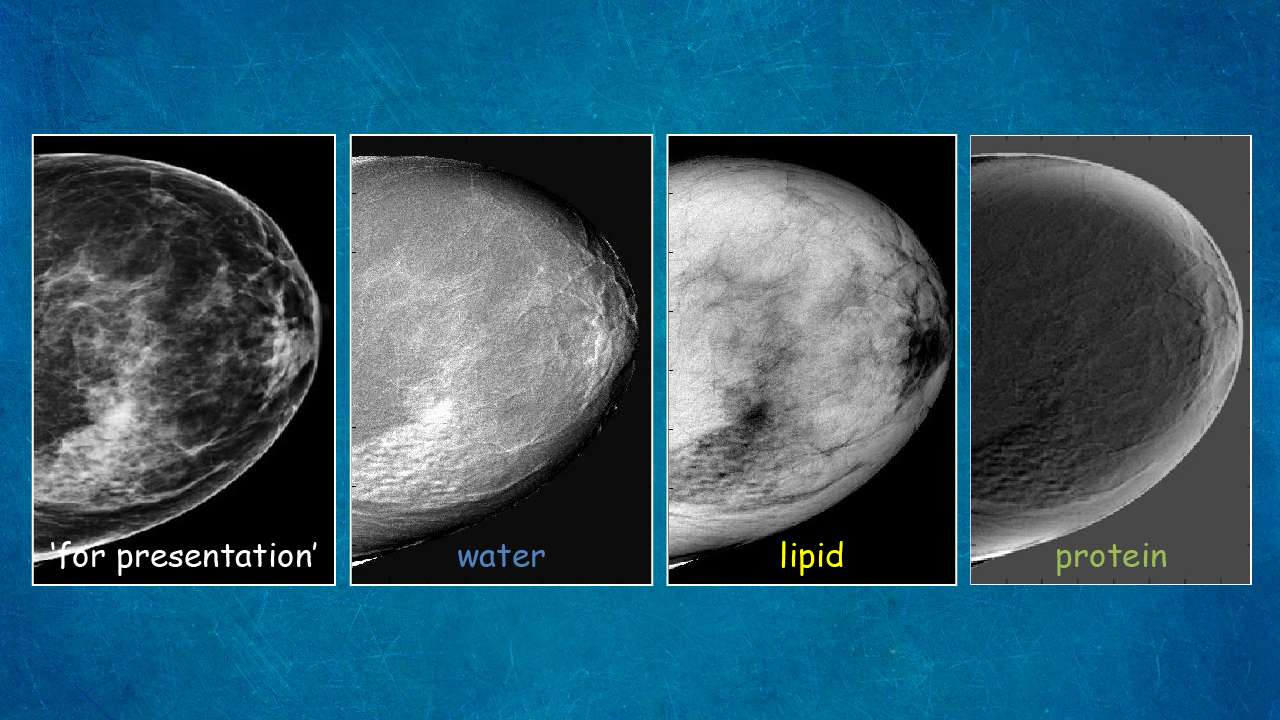
Three-Compartment Breast Lesion Detection (3CB)
Quantifying lipid–protein–water signatures of suspicious breast lesions to enhance cancer-diagnosis accuracy and reduce unnecessary biopsies. The hypothesis: novel lipid-protein-water image biomarkers can be combined with existing QIA / radiomics methods to improve sensitivity and specificity.
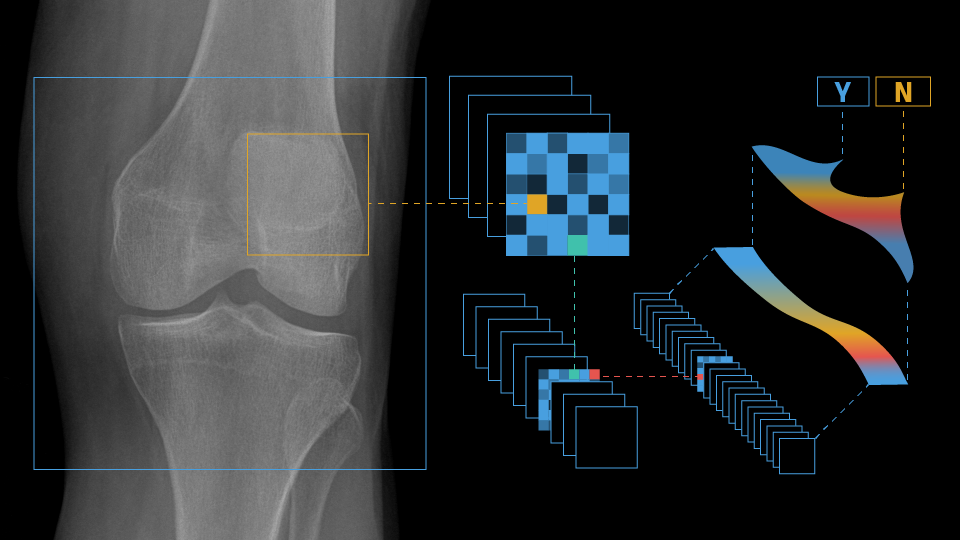
Deep Learning + Total-Body DXA (TBDXA.I.)
Self-supervised learning on whole-body DXA images to predict clinical outcomes — cardiovascular disease, mortality, cancer, hip fracture, physical disability, diabetes severity. Uses data from the Health, Aging and Body Composition Study ↗.

Hawaiʻi & Pacific Islands Mammography Registry (HIPIMR)
Computerized records of women undergoing breast imaging in Hawaiʻi — demographics, clinical data, risk factors, imaging interpretations, cancer outcomes, vital status. Linked with the Hawaiʻi Tumor Registry and Department of Health vital records.
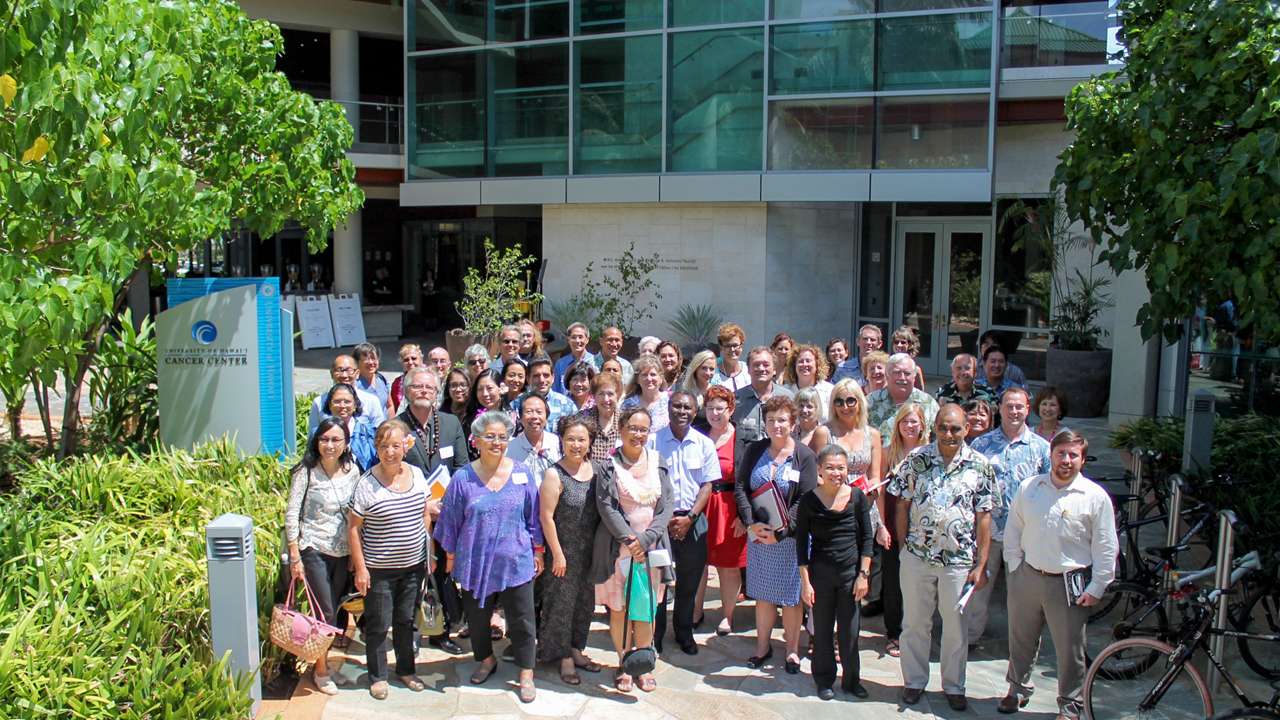
SMART Melanoma
Systematic Melanoma Assessment and Risk Triaging — deep-learning computer vision to triage lesions appropriate for biopsy while monitoring benign lesions. Leverages Hawaiʻi’s multiethnic populations with year-round UV exposure.